
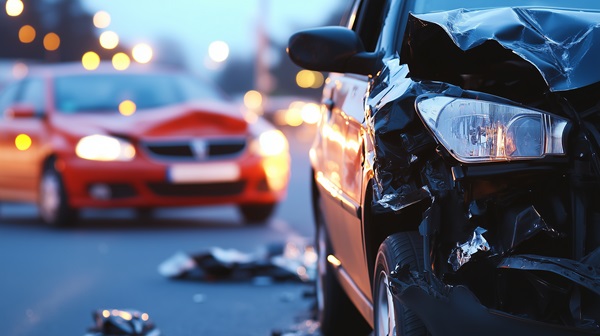
Toronto Drunk Driving Accident Lawyers Explain the Impact On Injury Victims
Ontario’s impaired driving laws became significantly tougher this year. The province introduced a series of stricter penalties aimed at keeping dangerous drivers off the road and reducing the number of serious and fatal car accidents caused by alcohol and drug impairment.
“No family should ever face the heartbreak of losing a loved one or the trauma of a life-changing injury because of a dangerous and careless driver,” Minister of Transportation Prabmeet Sarkaria said in a statement published by Inside Halton. “These proposed changes will deter reckless behaviour, hold offenders accountable and make our roads and highways safer.”
While these changes focus on punishing offenders, they also carry important implications for people injured in drunk driving accidents across Toronto and Ontario. So, what are Ontario’s new impaired driving laws? How do they impact drunk driving injury victims? Our Toronto drunk driving accident lawyers at Smitiuch Injury Law explain what you need to know.
What changed under Ontario’s impaired driving laws in 2026?
The updates that went into effect on January 1st include numerous changes to the Ontario Highway Traffic Act. In particular, the approved changes significantly expand Ontario’s use of automatic administrative penalties.
These penalties apply immediately following an impaired driving incident, even before any criminal charges are resolved. One of the most notable changes involves longer roadside licence suspensions for drivers who register a blood alcohol concentration over the legal limit or who fail a roadside test.
Ontario also doubled the “look-back period” for impaired driving-related incidents. This means past suspensions, administrative penalties, and related incidents now remain relevant for much longer when assessing repeat behaviour.
Key impaired driving law changes that took effect this year
According to a statement recently released by the Province of Ontario, specific changes involving impaired driving in Ontario that went into effect January 1st include:
Longer automatic roadside licence suspensions for first and repeat offenders, specifically:
- First offence: 14-day vehicle impoundment and $2,000–$10,000 fine
- Second offence: 30-day vehicle impoundment and $5,000–$15,000 fine
- Third and subsequent offence: 45-day vehicle impoundment and $10,000–$20,000 fine
- 10-year look-back period for prior impaired-driving penalties, up from 5 years.
- Mandatory education or treatment programs for offenders before licence reinstatement.
- Immediate suspension of the driver’s licence for 90 days and impound of vehicle if police have reason to believe a person is driving dangerously.
- A lifetime licence suspension for anyone convicted of dangerous driving causing death.
These changes were designed to remove high-risk drivers from the road more quickly and to prevent repeat drunk driving offences that often lead to devastating crashes.
How do stricter DUI penalties affect people injured by drunk drivers?
Although the new penalties are directed at impaired drivers, they can directly affect injury claims brought by people hurt in drunk driving collisions. Longer licence suspensions and expanded offender histories make it easier to demonstrate that a driver should not have been on the road in the first place.
For injury victims, this can matter in several ways. A documented history of impaired driving-related penalties can support arguments about negligence and unsafe driving behaviour. It may also counter attempts by insurers to minimize or dispute responsibility for a crash.
In serious cases, especially those involving catastrophic injuries or fatalities, automatic long-term or lifetime suspensions underscore the severity of the driver’s conduct. This creates a stronger factual backdrop for a civil claim seeking compensation for medical care, lost income, and the long-term impact of the injuries.
Why does the expanded look-back period matter in an impaired driving case?
Before 2026, impaired driving penalties were typically considered only if they occurred within the previous five years. That limited window often allowed repeat offenders to appear as first-time offenders if enough time had passed since their last drunk driving conviction.
With the look-back period now extended to 10 years, more of a driver’s history can be taken into consideration. This matters because many impaired driving crashes are not isolated incidents but often part of a broader pattern of risky driving behaviour.
For injury victims, the expanded look-back period can:
- Help establish that the conduct is repeated or ongoing.
- Reduce the effectiveness of arguments that the crash was a one-time mistake.
- Strengthen claims involving severe or permanent injuries.
This longer record can be especially important when insurers attempt to downplay responsibility or suggest the collision was unavoidable.
What role do mandatory education and treatment programs play?
Ontario’s 2026 reforms also placed greater emphasis on mandatory education and treatment for impaired drivers. Offenders are now required to complete specific programs before regaining their driving privileges.
While these programs are intended to reduce future risk, they also create additional documentation related to the driver’s conduct. For drunk driving injury claims, records of required treatment or assessments can help establish the seriousness of the offence and the steps taken after the crash.
From a victim’s perspective, these requirements reinforce the idea that impaired driving is not a minor lapse but a dangerous decision with serious consequences. That’s why it’s important that your drunk driving accident lawyer fully understands the implications of these new laws.
Does a criminal DUI case affect a civil injury claim?
A criminal impaired driving case and a civil injury claim are separate, but they are often connected. A criminal conviction is not required to pursue an injury claim. However, evidence gathered during the criminal investigation can be critical in a civil case in Ontario.
Police reports, breath or blood test results, and witness statements can all support an injury claim. Even administrative penalties, such as roadside suspensions imposed under the 2026 rules, can help establish unsafe driving behaviour.
Insurance companies may still aggressively dispute claims, even when impairment seems clear. That is why careful investigation and documentation are essential.
Injured by a drunk driver? Our Toronto lawyers can help.
Ontario’s stricter impaired driving penalties reflect a broader shift toward accountability. But injury victims still face insurance companies whose goal is to limit payouts, regardless of how reckless the driver’s conduct was at the time of the accident.
Our Toronto drunk driving accident lawyers can help in many different ways, including:
- Gather evidence tied to the new administrative penalties.
- Connect impaired driving behaviour to the cause of the crash.
- Work with medical and accident reconstruction experts when needed.
- Push back against efforts to minimize the seriousness of the injuries.
The recent changes may strengthen certain aspects of an injury claim, but they do not guarantee fair treatment by insurers. Legal guidance remains critical.
At Smitiuch Injury Law, we understand how impaired driving cases unfold under Ontario’s updated laws. We work to protect injury victims and pursue the compensation they need to move forward after a serious crash. Our case results prove our ability to get the job done right.
Learn more about your legal options. Contact us and schedule a free consultation with a Toronto drunk driving accident lawyer focused on winning your case. We handle car accident claims throughout Ontario and have three offices conveniently located in Toronto, Brantford, and Simcoe.
“We consider ourselves lucky to have had Smitiuch Injury Law fight for us in court. Their entire team is friendly, warm, caring, and very supportive. They strived for justice and were dedicated to us and our family. Mike and Peter were extremely supportive through our entire experience with them. Mike and Peter worked and fought hard for our victory in court. Thank you so much for being there for us. We are going to recommend Smitiuch Injury Law to our family and friends.” – Derek and Sharon D., ⭐⭐⭐⭐⭐
