
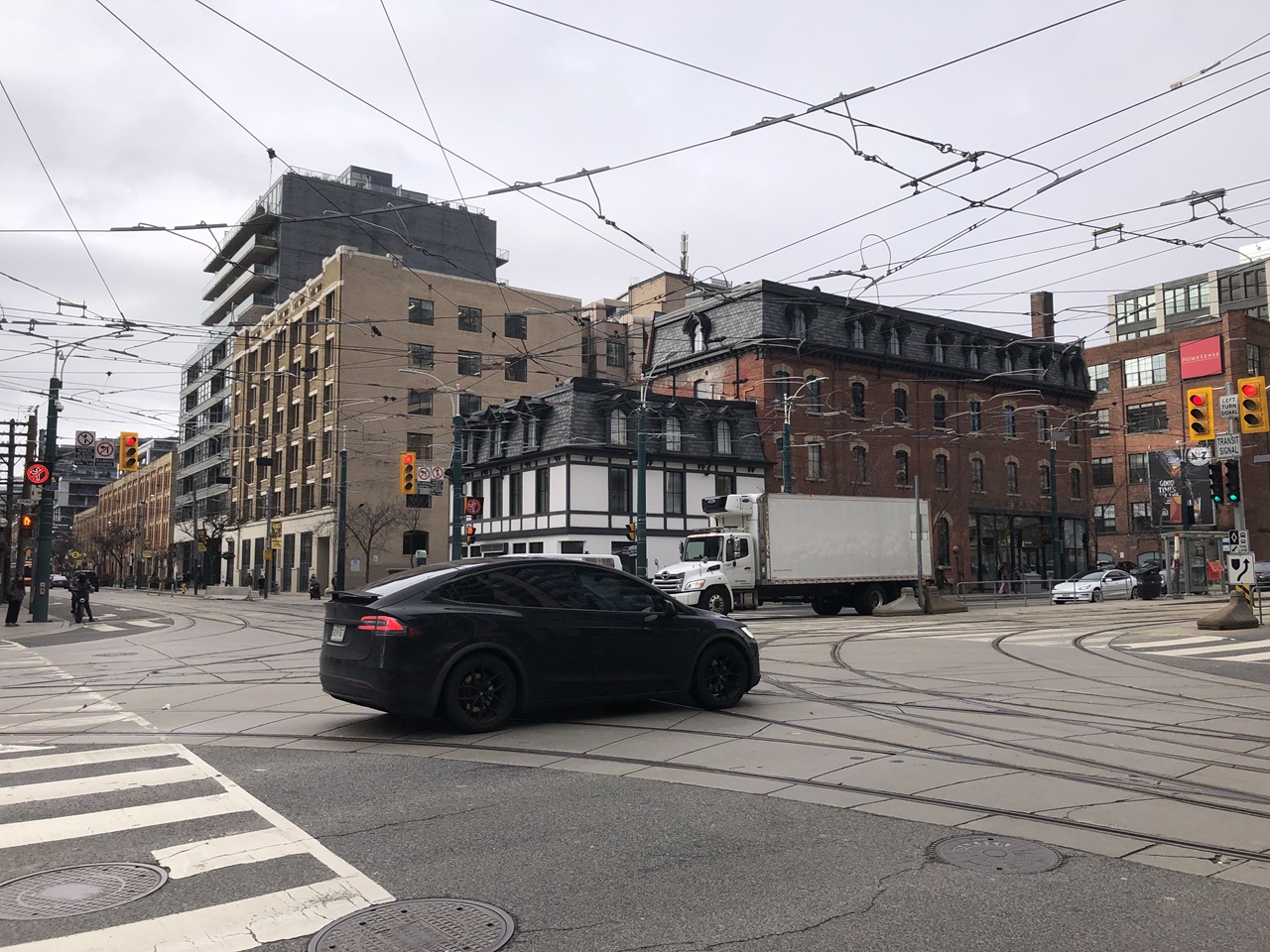
Toronto’s Speed Camera Removal Raises Serious Questions For Crash Victims
Speeding on Toronto streets has jumped sharply since Ontario removed the city’s automated speed cameras, according to data reported by CityNews Toronto. The city’s own June 2026 transportation report found that across 104 former camera locations, the share of drivers exceeding the posted speed limit by 16 km/h or more rose by 380 percent after the cameras were removed.
That’s not just a traffic-enforcement issue. It’s a safety issue for anyone walking, biking, driving, riding a motorcycle, or crossing near a school zone. Higher speeds give drivers less time to react and make crashes more likely to cause serious or fatal injuries. When someone is hurt in a car accident, speed can become a key issue in proving how the crash happened and who should be held responsible.
Toronto also recorded 25 fatal collisions between December 1, 2025, and May 31, 2026, matching the highest number for that six-month period in the city report’s five-year comparison. Our Toronto car accident lawyers at Smitiuch Injury Law explain what these numbers mean for crash victims in the GTA and why evidence matters even when there’s no speed camera footage.
Why Were Toronto’s Speed Cameras Removed?
Toronto had 150 automated speed enforcement cameras before Ontario’s ban took effect on November 14, 2025. Most were placed in school zones and community safety zones, where children, pedestrians, cyclists, and other vulnerable road users face higher risk.
The province banned municipal speed camera programs after Premier Doug Ford and other officials criticized the cameras as a revenue tool rather than a safety measure. The province later promised more than $200 million for alternative traffic-calming measures, including speed bumps, roundabouts, and raised crosswalks.
The problem is timing. Physical road changes take planning, money, construction, and years of implementation. Cameras were already in place. According to Toronto’s city staff report, automated speed enforcement had produced a 45 percent reduction in speeding at monitored locations while the program was active.
How Much Did Speeding Increase After The Cameras Came Down?
City staff compared vehicle speeds at 104 former camera locations before and after the cameras were removed. Speeds increased at most of those locations, and the change was especially concerning on streets posted at 30 km/h, where school zones and neighbourhood roads are common.
Across all 104 locations, the share of vehicles travelling 11 km/h or more over the posted limit rose from 2.0 percent to 8.1 percent. The share of drivers travelling 16 km/h or more over the limit rose from 0.6 percent to 2.9 percent, a 380 percent increase.
Those numbers matter because a few extra kilometres per hour can change whether a driver has time to stop. City staff noted that higher speeds reduce reaction time, increase stopping distance, and increase the force of impact when a collision happens.
Have Toronto Traffic Deaths Gone Up?
Toronto recorded 25 fatal collisions between December 1, 2025, and May 31, 2026, after automated speed enforcement ended. During the same December-to-May period in the previous four years, fatal collisions ranged from 16 to 25.
The city report correctly notes that fatal crash numbers can fluctuate from year to year and that more time is needed to understand long-term trends. Still, the early numbers are concerning, especially when paired with the clear increase in speeding at former camera locations.
Two fatal collisions happened within 100 metres of places where automated speed enforcement had previously been installed. One involved a pedestrian at Parliament Street and Gerrard Street East. Another involved a person on a motorcycle on Nugget Avenue west of Markham Road.
Who Is Most At Risk When Speeding Increases?
Higher speeds don’t put everyone at equal risk. People outside vehicles usually suffer the worst injuries because they don’t have airbags, seat belts, or a vehicle frame around them.
- Pedestrians: A person walking across a street or through an intersection can suffer catastrophic injuries when a driver is going too fast to stop in time.
- Cyclists: Cyclists have little protection in a crash, and higher speeds reduce a driver’s ability to avoid someone on a bike.
- Motorcyclists: Riders are exposed to direct impact, ejection, and severe road injuries when another driver speeds, runs a light, or fails to yield.
- Children Near Schools: The speed increase was especially prominent on 30 km/h streets, which are often exactly where children are walking, biking, or being dropped off.
Anyone hurt by a speeding driver in one of these situations may have a claim, even if no camera captured the crash. The key question is whether the evidence can show that speed caused or contributed to the injuries.
What Does Ontario Law Say About Speeding And Fault?
Ontario’s Highway Traffic Act sets the rules drivers must follow, including speed limits. A driver doesn’t have to be ticketed or charged for their speed to matter in a civil injury claim. If the evidence shows the driver was going too fast for the posted limit or road conditions, that can support a negligence claim.
Fault in Ontario car accident cases can be complicated. Insurance companies may apply Ontario’s Fault Determination Rules when assessing insurance responsibility, but a lawsuit can still involve a deeper look at what actually happened. Speed, sight lines, driver reaction, road design, weather, and witness statements may all matter.
This surprises people who assume a case falls apart without a ticket. It doesn’t. A civil claim doesn’t need a traffic conviction. It needs evidence showing it’s more likely than not that the driver’s conduct caused or contributed to the crash.
Can You Still Sue A Speeding Driver Without Camera Footage?
Yes. Automated camera footage was never the only way to prove a driver was speeding. Its absence doesn’t make a claim impossible, and it doesn’t mean the driver gets a free pass.
Many crash investigations rely on other evidence. Witnesses may describe how fast the vehicle was moving. Dashcams or nearby security cameras may capture the impact. Vehicle event data recorders may show speed, braking, steering, or throttle activity in the moments before the crash. Collision reconstruction experts may also use skid marks, crush damage, debris fields, sight lines, and final resting positions to estimate speed.
That is why acting quickly matters. Footage can be erased. Vehicles can be repaired. Debris can be cleared. Witnesses can become harder to locate. The sooner the evidence is preserved, the harder it is for an insurance company to dispute what happened.
What Evidence Helps Prove A Speeding-Related Crash Claim?
Building a strong claim after a speeding-related crash often depends on gathering the right evidence before it disappears. Useful sources may include:
- Event Data Recorder Information: Many vehicles store speed, braking, steering, and impact data from the moments before a crash.
- Witness Statements: People who saw the crash may be able to describe the vehicle’s speed, lane position, braking, or direction of travel.
- Collision Reconstruction Reports: A qualified expert can use physical evidence to estimate how fast a vehicle was moving before impact.
- Nearby Surveillance Or Dashcam Footage: Businesses, homes, buses, rideshare vehicles, and other drivers may have video even without a city-operated camera nearby.
- Medical Records: Prompt treatment can connect the injuries to the crash and help show how serious the impact was.
Evidence also affects compensation. Serious crash injuries may require emergency care, rehabilitation, surgery, income replacement, attendant care, and long-term support. That’s why understanding common car accident injuries and documenting the full impact of the crash can make a major difference.
What Should You Do After A Speeding-Related Crash In Toronto?
After a crash, it’s easy to feel overwhelmed. But the first few hours and days can shape the claim, especially if speed is disputed.
- Call 911: Report the crash and get emergency help, especially if anyone is hurt, a pedestrian or cyclist was struck, or the other driver is behaving aggressively.
- Get Medical Care: Don’t assume soreness, dizziness, headaches, back pain, or confusion will go away on their own.
- Preserve Evidence: Take photos, save dashcam footage, write down witness information, and look for nearby cameras.
- Be Careful What You Say After The Crash: Don’t guess about speed, fault, injuries, or how the crash happened. Stick to what you know.
- Talk To A Lawyer Early: A lawyer can help preserve footage, request vehicle data, deal with insurers, and protect your claim before the other side controls the evidence.
These steps are especially important when a driver denies speeding or an insurance company tries to shift blame. A strong record can help show what happened before the insurer has a chance to minimize it.
How Can Insurance Companies Dispute Speeding-Related Claims?
Insurance companies may not deny that a crash happened, but they may still dispute why it happened, how badly someone was hurt, or how much compensation is owed. In speeding-related cases, they may argue that the driver wasn’t going as fast as claimed, that the victim stepped or turned into traffic, or that the injuries came from something other than the crash.
They may also argue shared fault. For example, they might claim that a pedestrian wasn’t paying attention, that a cyclist wasn’t visible, or that another driver should have reacted differently. These arguments can affect the value of a claim if they aren’t answered with evidence.
When a claim turns into a dispute, understanding Toronto car accident lawsuits can help victims see why investigation, documentation, and legal strategy matter so much.
What Compensation May Be Available After A Speeding Crash?
Compensation depends on the injuries, available insurance coverage, fault issues, and how the crash affects the victim’s life. A speeding crash can lead to medical costs, lost income, future care needs, pain and suffering, reduced earning capacity, and out-of-pocket expenses.
Ontario crash victims may have access to accident benefits through their own insurance regardless of fault. They may also have the right to pursue a lawsuit against the at-fault driver when the injuries and legal requirements support that path.
Knowing who pays for car accident compensation in Toronto can be confusing because the claim may involve your own insurer, the at-fault driver’s insurer, accident benefits, and a tort claim at the same time.
How Can A Toronto Car Accident Lawyer Help Me?
Being hurt by a speeding driver or losing someone you love to one can leave you dealing with grief, medical care, lost income, and an insurance company that may try to minimize what happened. You shouldn’t have to handle that alone.
Our Toronto car accident lawyers at Smitiuch Injury Law know how to investigate speeding-related crashes, preserve evidence, work with reconstruction experts, deal with insurance companies, and build cases that reflect the full impact of a serious injury. Our case results show the difference a prepared legal team can make, including major recoveries for people injured in vehicle, motorcycle, and bicycle crashes.
If you or someone you love was hurt by a speeding driver anywhere in the Greater Toronto Area, contact us today to schedule a free case consultation. We’ll review what happened, explain your options, and fight for the compensation your family deserves.
"All steps were clearly explained and carried out in a very professional manner while still maintaining compassion. They also got me access to support and resources that I really needed after being severely injured by a vehicle. Having confidence in their management of my case allowed me to put all my energy into recovery instead of having to deal with additional stress. My case was settled relatively quickly, and the outcome exceeded my expectations." - Elena H., ⭐⭐⭐⭐⭐
