
Only Medical, Rehabilitation, and Attendant Care Benefits Still Come With Every Policy, and Fewer People Can Claim the Rest
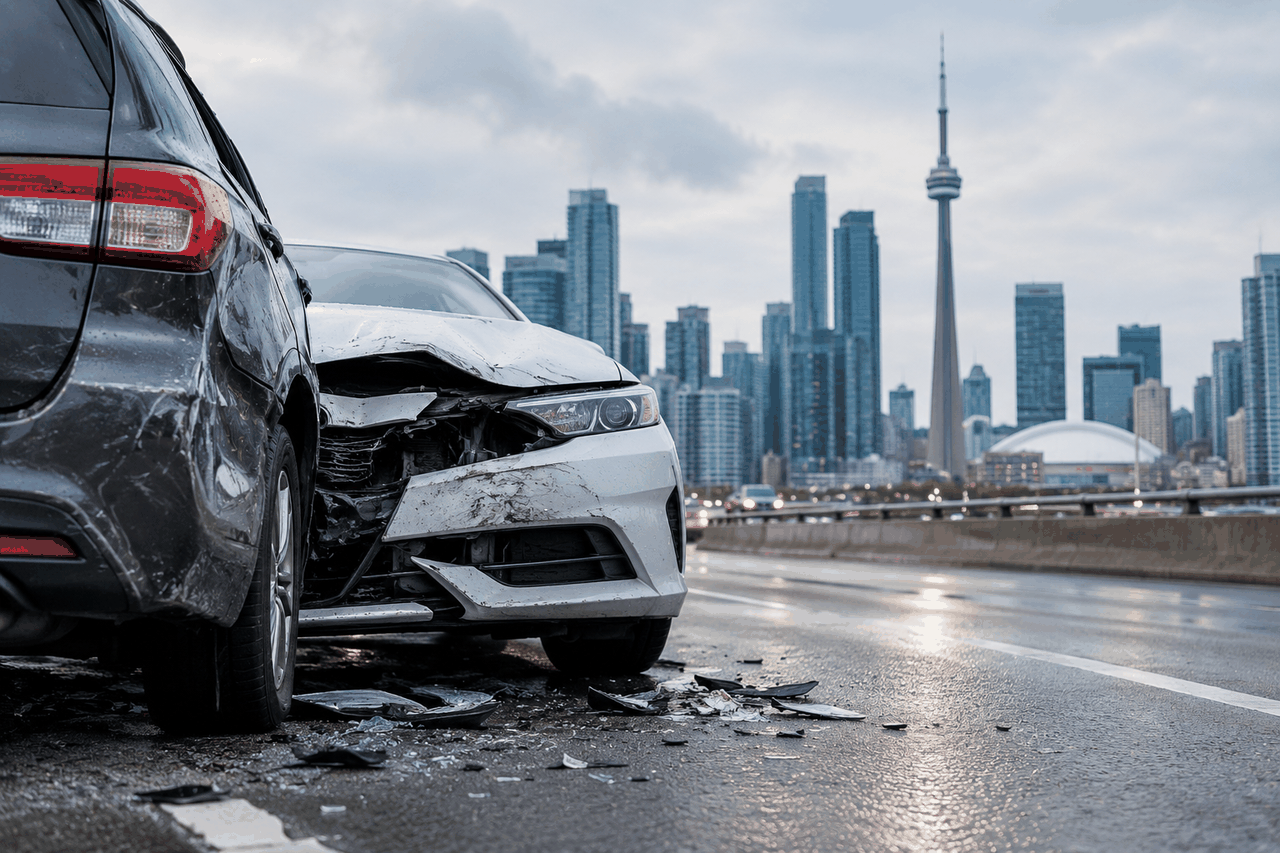
Ontario's 2026 accident benefits changes could affect how much compensation and other support someone receives after a car accident. Since July 1, 2026, many benefits that used to come with every auto policy have become optional. So two people hurt in the same collision may now have very different insurance coverage. Many drivers may not know what coverage they have until after a crash.
These changes came through Ontario Regulation 383/24, which amended the province's Statutory Accident Benefits Schedule. The Financial Services Regulatory Authority of Ontario (FSRA) says only medical, rehabilitation, and attendant care benefits remain in every policy. Income replacement, non-earner, caregiver, housekeeping, and death and funeral benefits are among those that became optional.
So what does this mean for someone who was just hurt in a collision in Ontario? At Smitiuch Injury Law, our Toronto car accident lawyers regularly challenge insurers that deny or cut off accident benefits. Those benefits can determine whether an injured person can pay the bills while recovering, which makes knowing what a policy covers more important than ever.
|
What Changed in 2026
|
Which Accident Benefits Are Still Mandatory in Ontario?
Three types of benefits still come with every Ontario auto policy. Medical and rehabilitation benefits help pay for treatment, such as physiotherapy and counselling, that public health coverage doesn't fully cover. Attendant care benefits help pay for someone to assist with daily tasks like bathing and dressing. These benefits are available no matter who caused the crash.
There's also a change that works in an injured person's favour. In the past, many people had to use their workplace health plan before their auto insurer would pay for treatment. Benefits from those other sources are known as collateral benefits. FSRA says auto insurers are now the first payer for medical and rehabilitation benefits instead.
That shift can help save workplace benefits for other health needs. It doesn't mean an auto insurer will approve every treatment, though. Insurers can still question whether a proposed treatment is reasonable and necessary. Disputes over physiotherapy, psychological care, and assessments can still end up before the Licence Appeal Tribunal, which hears accident benefits disputes.
Optional Benefits Now Depend on the Coverage You Chose
The biggest change involves benefits that replace lost income and cover household needs. These used to come with every policy. Now drivers choose whether to keep or buy them. The table below shows where the main accident benefits stand under the new rules.
| Accident Benefit | Status Under the New Rules |
|---|---|
| Medical and rehabilitation | Mandatory |
| Attendant care | Mandatory |
| Income replacement | Optional |
| Non-earner | Optional |
| Caregiver | Optional |
| Housekeeping and home maintenance | Optional |
| Lost educational expenses | Optional |
| Expenses of visitors | Optional |
| Damage to personal items | Optional |
| Death and funeral | Optional |
Income replacement may be the biggest loss for many workers. This benefit helps replace part of a person's pay when injuries keep them off the job. A driver who declined it may have to rely on sick days, workplace disability coverage, or savings. Some people may have no backup at all.
Non-earner and caregiver benefits matter too. Non-earner benefits can help students and others who weren't working when a crash upended their lives. Caregiver benefits help pay for someone to look after a child or another dependant. Losing either one can leave a family scrambling.
Who Is Covered by Optional Accident Benefits Now?
Another change affects who can claim optional benefits under a policy. Under the new rules, those benefits only cover a short list of people.
- Named Insured – The person named as the policyholder can claim any of the optional benefits the policy includes.
- Spouse – The policyholder's spouse can also claim those optional benefits if they're hurt in a collision.
- Dependants – People who rely mainly on the policyholder or their spouse for support or care, such as young children, can claim optional benefits under the policy.
- Listed Drivers – People specified in the policy as drivers of the vehicle can also claim those optional benefits.
That list leaves some people out. A passenger who doesn't fit any of these groups may not get optional benefits through the driver's policy. The same can be true for pedestrians and cyclists hit by a car. FSRA says this change applied to every policy on July 1, 2026, regardless of when the policy renews.
What If Your Policy Renewed Without Any Changes?
Many drivers didn't make any changes when their policy renewed. FSRA says existing policies renew with the same coverage and limits unless the policyholder agrees in writing to change them. So someone who kept their old coverage may still have income replacement and other optional benefits.
But keeping the same coverage doesn't freeze everything. The narrower rules on who can claim optional benefits apply to everyone, regardless of renewal date. A relative who used to qualify under a family policy may no longer be covered. That gap may not show up until after a serious collision.
Drivers don't have to wait for renewal to fix a gap, either. FSRA expects insurers to let customers choose optional benefits before renewal, including when they add or replace a vehicle. Once a collision happens, though, it's too late to go back and buy what's missing. Reviewing a policy with an insurance broker or agent is one of the few ways to spot those gaps early.
How Can Injured People Make Up for Missing Benefits?
Losing optional benefits doesn't always mean losing all financial help. Depending on the situation, an injured person may have other options.
- Long-Term Disability Coverage – A workplace or private long-term disability policy may replace part of a person's income while they can't work.
- Workplace Health Plans – Employer benefits may still help with medication and other costs that auto insurance doesn't fully cover.
- Suing the At-Fault Driver – A lawsuit may recover lost income and compensation for pain and suffering caused by careless driving.
- Other Optional Coverage – A person may have optional benefits through their own auto policy or a family member's policy if they still qualify.
Each source has its own rules and deadlines. Disability insurers and auto insurers may also argue over who should pay first. A claim against an at-fault driver can become even more important when optional benefits are missing. Sorting out every source early can help prevent costly gaps.
Finding Every Benefit After Ontario's Accident Benefits Overhaul
Ontario's accident benefits system was already complicated before these changes. Now you may also discover optional coverage you didn't know you'd declined. Meanwhile, your insurer may push back on treatment or question whether you qualify. That's a lot to handle while you're trying to heal from your crash.
Our lawyers know how to find every benefit that may apply to your claim. Our case results include a win at the Court of Appeal for Ontario for a client denied accident benefits after a motocross crash left him paraplegic. Every case is different, and results depend on the facts. We give every client a personal approach, backed by the resources of a much larger firm.
Don't let confusing new rules keep you from the help you need. We work on a no-win, no-fee basis. Reach out to our team for a free consultation. We can review your policy, explain your options, and pursue every benefit you're owed.
"My aunt was involved in a collision where she was hit by a vehicle while in a crosswalk. I reached out, and we were assigned Peter Cho as our lawyer... More importantly, without getting into details, we were able to settle before 1 year with more than we had even thought." — Patrick H., ⭐⭐⭐⭐⭐
